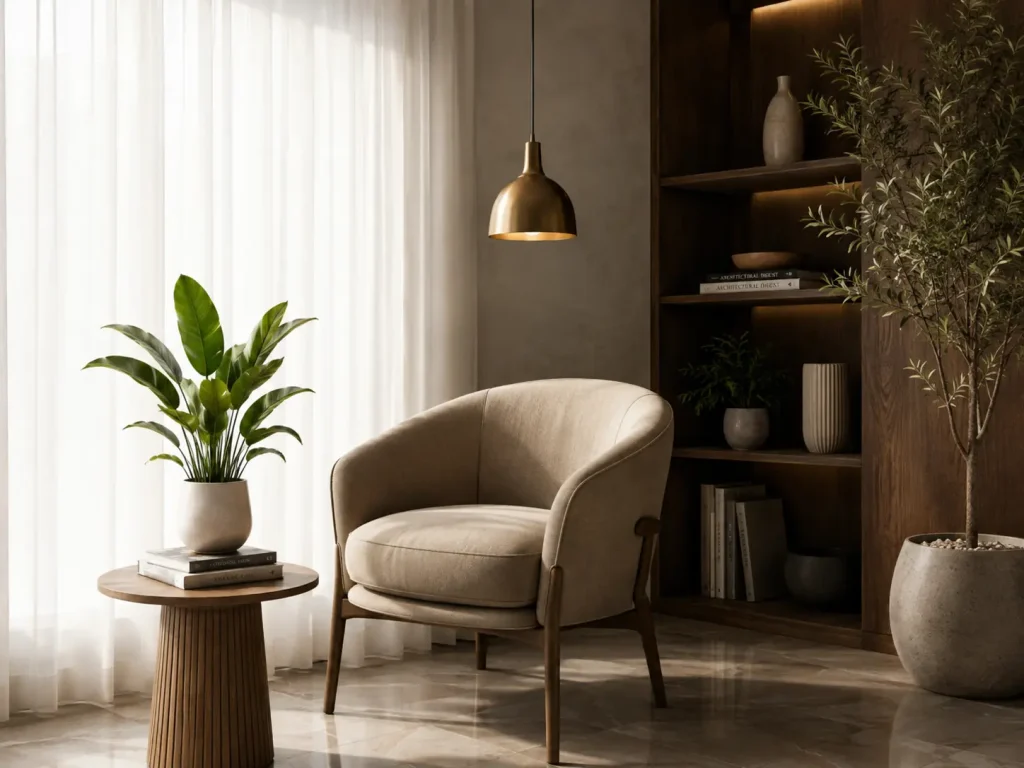
Flooring is one of the biggest design decisions you will make when creating or renovating a home.
It covers a large visual area, influences the atmosphere of every room and needs to withstand years of everyday use.
In Dubai, choosing flooring requires more than simply selecting a beautiful colour or material.
You should also consider:
- Climate
- Air conditioning
- Maintenance
- Durability
- Lifestyle
- Children and pets
- Interior style
- Room function
- Budget
- Long-term appearance
The right flooring can make your home feel larger, warmer and more luxurious.
The wrong flooring can become difficult to maintain, uncomfortable or visually disconnected from the rest of your interior.
his guide explains the main flooring options for Dubai homes and how to choose the right one for your property.
1. Start With Your Lifestyle
Before visiting a flooring showroom, think about how your home is actually used.
A couple living in a luxury apartment may have completely different requirements from a family with young children living in a large villa.
Ask yourself:
How many people live in the property?
Do you have children?
Do you have pets?
How often do you entertain guests?
Do you wear shoes indoors?
Do you prefer easy maintenance?
Are you renovating for yourself or preparing the property for rental?
These questions can help narrow your options.
A material that looks beautiful but requires constant care may not suit a busy family.
Good interior design should fit your lifestyle rather than force your lifestyle to fit the design.
2. Understand Dubai’s Environment
Dubai’s climate should be considered when choosing interior finishes.
Homes experience:
- High outdoor temperatures
- Strong sunlight
- Air-conditioned interiors
- Sand and dust
- Temperature differences between indoor and outdoor areas
Some flooring materials respond better to these conditions than others.
For example, stone and porcelain surfaces can feel comfortable in Dubai because they remain relatively cool underfoot.
Natural wood can create beautiful warmth, but installation and maintenance need to be carefully considered.
Material selection should therefore combine visual preference with practical performance.
3. Porcelain Tiles: Practical and Versatile
Porcelain is one of the most practical flooring choices for Dubai homes.
It is available in a huge range of styles, including finishes that imitate:
- Marble
- Limestone
- Travertine
- Concrete
- Wood
- Natural stone
This makes porcelain extremely versatile.
Advantages
Porcelain can offer:
- Good durability
- Easy maintenance
- Water resistance
- Large-format options
- Wide colour selection
- Compatibility with modern interiors
Large-format porcelain tiles can also reduce the number of visible grout lines, helping rooms feel cleaner and more spacious.
Where it works well
Porcelain can be suitable for:
- Living rooms
- Kitchens
- Bathrooms
- Entrances
- Hallways
- Apartments
- Villas
It can be particularly useful for homeowners who want a high-end stone appearance with relatively straightforward maintenance.
4. Marble: Classic Luxury
Marble continues to be associated with luxury interiors.
Its natural variation means every installation has its own character.
Popular marble appearances can range from bright white with subtle veining to dramatic darker stone.
Marble can work beautifully in:
- Entrances
- Formal living rooms
- Feature floors
- Luxury bathrooms
- Large villas
However, natural marble requires greater care than many engineered materials.
It may require appropriate sealing and maintenance depending on the stone and installation.
Use marble strategically
You do not necessarily need marble throughout the entire property.
Using it in a main entrance, formal living area or selected feature space can create a strong luxury statement without overwhelming the home.
5. Travertine and Limestone: Warm Natural Luxury
Warm natural stone is becoming increasingly popular in contemporary interiors.
Travertine and limestone can create a softer and more Mediterranean atmosphere than highly polished marble.
Their natural beige, cream and sand tones work particularly well with:
- Warm minimalism
- Mediterranean interiors
- Contemporary luxury
- Japandi-inspired spaces
- Natural interior concepts
These materials can create a beautiful connection between Dubai architecture and warm, natural interior palettes.
Because they are natural materials, appropriate professional advice should be obtained regarding installation, sealing and maintenance.
6. Wood Flooring: Warm and Timeless
Few materials create the warmth of real wood.
Wood flooring can soften a modern interior and make bedrooms and living areas feel more comfortable.
It works particularly well with:
- Neutral interiors
- Contemporary design
- Classic interiors
- Scandinavian styles
- Japandi interiors
- Luxury minimalist homes
Popular tones range from pale oak to medium walnut and deeper brown finishes.
Where wood works particularly well
Wood can be attractive in:
- Bedrooms
- Home offices
- Living areas
- Dressing rooms
However, natural wood needs appropriate care, especially around moisture and temperature changes.
Installation quality is very important.
7. Engineered Wood
Engineered wood can provide the appearance and warmth of natural timber while offering greater dimensional stability than some traditional solid-wood installations.
It can be an excellent choice for homeowners who want a premium wooden finish.
Engineered wood is commonly considered for:
- Bedrooms
- Living rooms
- Offices
- Family spaces
It can create a more welcoming atmosphere than stone or tile while maintaining a refined appearance.
Always check the specifications of the particular product rather than assuming all engineered wood performs the same way.
8. Luxury Vinyl Flooring
Luxury vinyl has improved significantly in appearance.
Modern products can replicate wood and stone finishes surprisingly well.
It may be suitable for homeowners who prioritize:
- Ease of maintenance
- Practicality
- Comfort
- Faster installation
- Budget control
It can also be useful for rental properties or renovation projects where replacing existing flooring with heavy stone may not be practical.
Quality varies considerably, so homeowners should compare products carefully.
9. Should You Use the Same Flooring Throughout the Home?
Using consistent flooring across connected spaces can make a property feel larger and more cohesive.
For example, maintaining the same flooring through an entrance, living room and dining area can create visual continuity.
Too many flooring changes can divide the home into smaller visual sections.
However, different rooms have different requirements.
Bathrooms may need more moisture-resistant surfaces, while bedrooms may benefit from warmer flooring.
The objective is not necessarily to use one material everywhere.
Instead, choose materials that coordinate with each other.
10. Flooring for Dubai Living Rooms
The living room usually has one of the largest uninterrupted floor areas.
This makes flooring particularly important.
Good options can include:
- Large-format porcelain
- Marble
- Travertine-style porcelain
- Natural stone
- Engineered wood
For a modern luxury living room, large-format tiles can create a clean, architectural appearance.
For a warmer atmosphere, wood or warmer stone tones can make the space feel more comfortable.
Add a rug to define the seating area and introduce softness.
11. Flooring for Bedrooms
Bedrooms should feel comfortable and relaxing.
Popular options include:
- Engineered wood
- Wood-effect flooring
- Luxury vinyl
- Porcelain combined with rugs
Wood tones can create warmth and contrast beautifully with neutral walls and soft fabrics.
If you prefer tiled flooring throughout your property, large rugs can help make bedrooms feel more comfortable.
12. Flooring for Kitchens
Kitchen flooring needs to handle frequent use and cleaning.
Practical choices generally include durable, easy-to-maintain surfaces.
Porcelain is particularly popular because it is available in many styles and can coordinate with kitchen countertops and cabinetry.
If the kitchen is open to the living room, consider whether changing flooring at the kitchen boundary will make the space feel disconnected.
In some cases, continuing the same floor throughout the open-plan area can create a much stronger visual result.
13. Flooring for Bathrooms
Bathrooms require materials suitable for wet environments.
The flooring should combine:
- Water resistance
- Safe surface characteristics
- Easy maintenance
- Suitable installation
- Visual compatibility with wall finishes
Porcelain is commonly used because of the range of stone and marble-look designs available.
Using similar colours on bathroom floors and walls can also make smaller bathrooms feel more spacious.
14. Flooring for Villa Entrances
The entrance creates the first impression of your home.
For larger villas, it can be an opportunity to create a stronger statement.
Options may include:
- Large-format marble-look porcelain
- Natural marble
- Stone
- Decorative patterns
- Border details
However, the entrance should still connect visually to the spaces beyond it.
An extremely decorative floor followed immediately by a completely unrelated material can make the design feel fragmented.
15. Large-Format Tiles Can Make Rooms Feel Bigger
Large tiles are increasingly popular in contemporary Dubai interiors.
Fewer grout joints create a cleaner visual field.
This can help:
- Small apartments appear larger
- Open-plan areas feel more continuous
- Luxury villas feel more sophisticated
Large-format surfaces can be particularly effective when combined with simple furniture and restrained interior detailing.
However, installation quality is extremely important because poor installation becomes more visible with larger formats.
16. Matte or Glossy Flooring?
Both can work, but they create very different impressions.
Glossy surfaces
Can:
- Reflect more light
- Create a polished luxury appearance
- Feel more formal
Matte surfaces
Can:
- Feel softer and more contemporary
- Reduce visible reflections
- Create a natural appearance
- Work well with modern minimalist interiors
In 2026, many contemporary interiors favour more natural and matte finishes, although polished surfaces remain popular for formal luxury spaces.
17. Choose the Right Flooring Colour
Floor colour can dramatically change a room.
Light flooring
Can make spaces feel:
- Brighter
- Larger
- Airier
Popular shades include:
- Cream
- Beige
- Pale oak
- Warm grey
- Light stone
Medium flooring
Can add warmth without making the room feel heavy.
Dark flooring
Can create drama and sophistication but needs careful balance with lighting, walls and furniture.
For smaller apartments, lighter flooring is often easier to work with visually.
18. Match Flooring With Your Interior Style
Your flooring should support the overall interior concept.
Modern luxury
Consider:
- Marble-look porcelain
- Large-format stone
- Elegant neutral surfaces
Warm minimalism
Consider:
- Travertine tones
- Pale wood
- Beige stone
- Matte surfaces
Japandi
Consider:
- Natural wood
- Light oak
- Warm neutral stone
Contemporary
Consider:
- Large porcelain tiles
- Concrete-look finishes
- Natural stone
Modern classic
Consider:
- Marble
- Wood
- Decorative borders
- Elegant neutral stone
Consistency is more important than following trends.
19. Don’t Forget the Skirting
Skirting may seem like a small detail, but it can significantly affect the final result.
Possible approaches include:
- Matching flooring skirting
- Painted skirting
- Shadow-gap detailing
- Minimal flush skirting
- Stone skirting
The appropriate option depends on the style of the home.
A modern minimalist interior may benefit from subtle skirting, while a classic property may use more decorative profiles.
20. Think About Furniture Before Finalizing Flooring
Flooring should not be selected in isolation.
Consider how it works with:
- Sofa colour
- Kitchen cabinetry
- Wardrobes
- Wall finishes
- Rugs
- Curtains
- Doors
- Metal details
For example, warm oak flooring combined with warm beige furniture can create a calm atmosphere.
Dark wood flooring with heavy dark furniture may make a smaller room feel visually dense.
Samples should ideally be reviewed alongside other interior finishes.
21. Natural Light Can Change Flooring Colour
A flooring sample viewed inside a showroom may look very different inside your home.
Dubai apartments with large windows receive significant natural light.
Sunlight can make colours appear lighter or warmer.
Before making a final decision, review samples inside the actual property where possible.
Look at them:
- In daylight
- In evening lighting
- Next to walls
- Next to cabinetry
- Beside furniture materials
This can prevent unexpected colour differences after installation.
22. Consider Maintenance Before You Buy
Ask how the flooring needs to be cleaned and maintained.
Consider:
- Stain resistance
- Scratch resistance
- Sealing requirements
- Cleaning products
- Repair options
- Replacement availability
For busy households, lower-maintenance surfaces may be more practical.
Luxury should not mean living in constant fear of damaging the floor.
23. Don’t Choose Flooring Only From a Small Sample
A small flooring sample can be misleading.
Stone patterns, wood grain and large tile designs may look completely different across a large area.
Where possible, view:
- Full-size tiles
- Larger boards
- Installed examples
- Multiple pieces together
This is particularly important for highly patterned marble-look surfaces.
24. Plan Flooring Before Doors and Joinery
Flooring thickness affects other parts of the project.
It can influence:
- Door heights
- Thresholds
- Kitchen installation
- Built-in wardrobes
- Skirting
- Bathroom transitions
Ideally, flooring should be selected early in the interior-design process rather than as a final decision.
25. Timeless Flooring Usually Provides Better Long-Term Flexibility
Furniture, cushions and artwork can be changed relatively easily.
Flooring cannot.
Therefore, major flooring choices should generally be more timeless.
Instead of choosing an extremely unusual colour because it is fashionable today, consider whether you will still enjoy it several years from now.
Trends can be introduced through smaller decorative elements while the floor provides a stable design foundation.
Common Flooring Mistakes to Avoid
Try to avoid:
- Choosing appearance over practicality
- Using too many flooring materials
- Ignoring maintenance requirements
- Selecting flooring before defining the overall interior
- Choosing extremely small tiles for large spaces
- Ignoring natural light
- Forgetting flooring thickness
- Matching every finish exactly
- Buying without viewing larger samples
- Selecting materials unsuitable for the room
Careful planning can prevent expensive changes later.
Which Flooring Is Best for Your Dubai Home?
There is no single flooring material that is best for everyone.
The right option depends on:
Your property — apartment or villa.
Your lifestyle — busy family or quieter household.
Your design preference — modern, classic, minimalist or luxury.
Your maintenance expectations — low maintenance or natural-material care.
Your budget — including both materials and installation.
The best flooring creates the right balance between beauty, durability and everyday practicality.
Create a Beautiful Foundation for Your Dubai Interior
A successful interior starts from the ground up.
Flooring influences almost every other design decision—from furniture and wall colours to lighting and joinery.
At AAA Business Consultancy L.L.C. – Interior Design Services, we help create cohesive interior concepts tailored to your space, lifestyle and vision.
Whether you are designing a new apartment, renovating a villa or refreshing an existing property, choosing the right materials from the beginning can help create a home that remains beautiful and functional for years.
Designing Spaces. Defining Experiences.
📧 Email: id@aaabusinessconsultancy.com
📞 Phone / WhatsApp: +971 52 436 0123
🌐 Website: interior.aaabusinessconsultancy.com
📍 Office: Business Village, Block B, Floor 4, Office F-09, Port Saeed, Deira, Dubai, UAE
Advise • Assist • Achieve